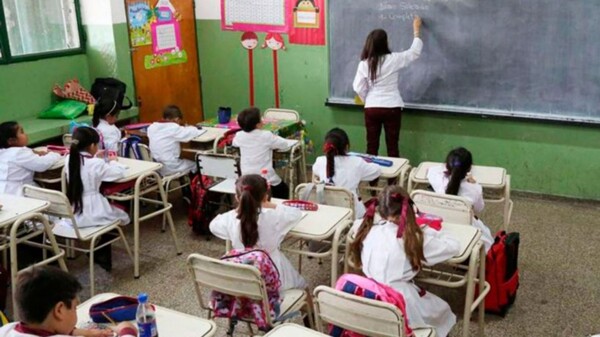
The Argentine government advanced the 2026 flu vaccination campaign in response to the circulation of a new influenza variant in the country and the increasingly early start of the respiratory virus season. Through the Ministry of Health, it began in the second week of February to deliver all corresponding vaccines to the provinces to be able to start vaccination on March 11.
Who should be vaccinated The target population for the vaccination campaign includes children from 6 to 24 months, adults over 65 years of age, healthcare personnel, pregnant and postpartum women, and people with risk factors.
The total of 8,160,000 doses of the flu vaccine acquired by the national health authority is divided as follows: • 4,700,000 doses correspond to the adult vaccine, intended to protect the population between 24 months and 64 years of age. • 2,300,000 doses are of the adjuvanted (aTIV) vaccine intended for those over 65. • 1,160,000 doses are of the pediatric flu vaccine intended for children from 6 months to 2 years of age.
How many doses should be given • From 6 to 24 months of age: they should receive two doses separated by at least 4 weeks, except for those who have previously received two doses, who are entitled to only one. • From 2 to 64 years of age with risk factors: one annual dose with documentation accrediting the existence of pre-existing diseases included among the risk factors. • From 65 years of age: one annual dose, no medical indication is required. • Pregnant women: they should receive one dose at any time during the gestation period. • Postpartum women: they should receive the flu vaccine before leaving the maternity ward, no later than 10 days after delivery if they did not receive it during the gestation period. • Healthcare personnel: one annual dose.
What is H3N2? Influenza A is the category responsible for most seasonal outbreaks. However, its contagiousness is high, especially in schools, offices, and public transport.
Symptoms: the difference with a cold The distinctive feature of H3N2 is that it "hits like a storm." The term H3N2 refers to the two surface proteins that allow the virus to bind to human cells: Hemagglutinin type 3 and Neuraminidase type 2.
A positive result on an Influenza A test does not automatically imply severity, but rather detects the presence of the virus.
Unlike a cold, which starts slowly with sneezing, H3N2 flu presents a sudden onset: • High fever (between 38°C and 39.5°C). • Intense body aches that make movement difficult. • Chills and extreme fatigue. • Persistent dry cough.
Unlike COVID-19, the loss of smell and taste is less common with the flu, while body pain is usually more severe with H3N2.